Funded by
the European Union

News

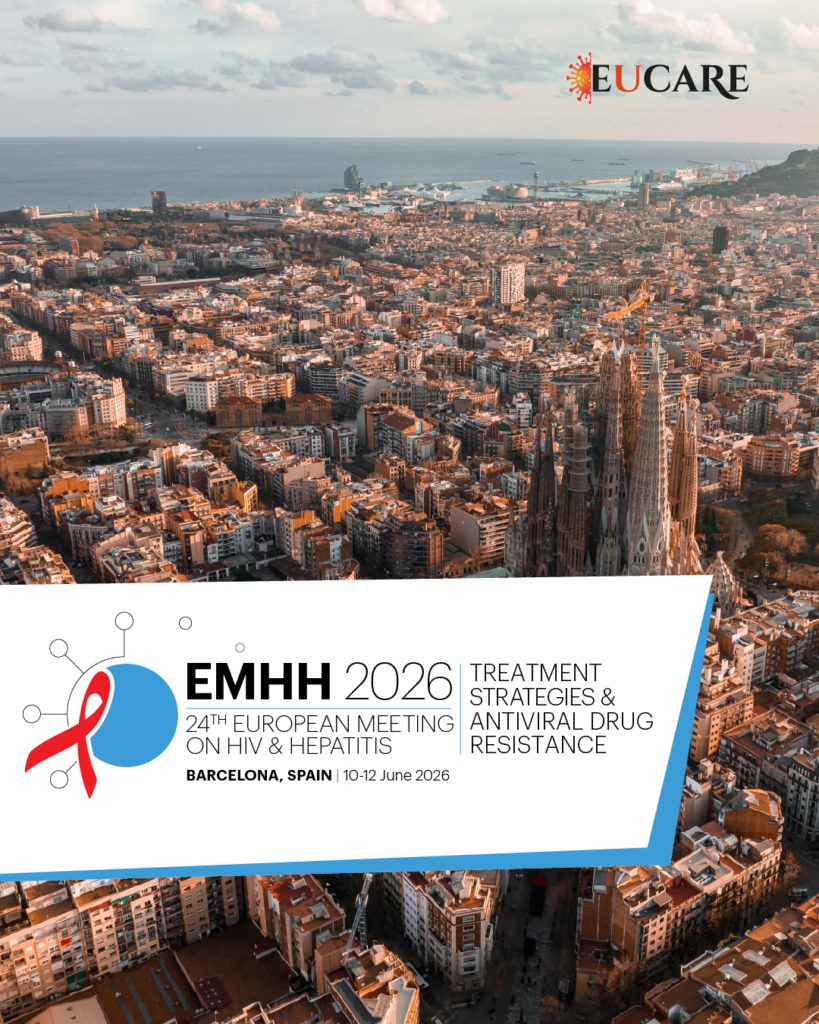
Save the date!

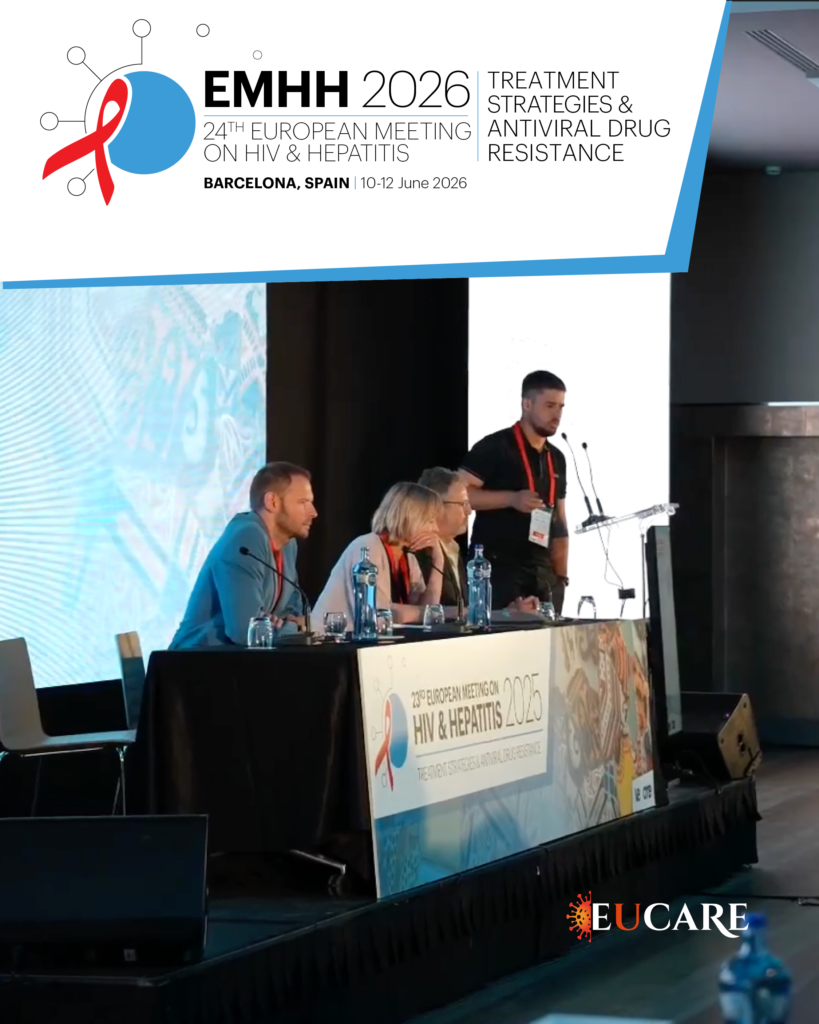
The 24th European Meeting on HIV & Hepatitis (EMHH 2026) will take place in Barcelona, Spain, from 10–12 June 2026. Bringing together clinicians, researchers and healthcare professionals, EMHH provides a platform to discuss the latest developments in HIV and hepatitis research, antiviral therapies and clinical practice. EuCARE will be there, contributing to the exchange of […]
Save the date! Read More »

Understanding how viruses spread is essential for public health preparedness. 🔬

ANDV prevention strategies focus mainly on environmental safety and infection control. 🔬 Key measures include rodent control, ventilation of contaminated spaces, wet-cleaning methods to avoid aerosolization, surface disinfection and PPE use by healthcare workers. Although rare, person-to-person transmission has been reported, meaning isolation of infected individuals may sometimes be necessary. Unlike SARS-CoV-2, no vaccine is

Understanding how viruses spread is essential for public health preparedness. 🔬 Read More »

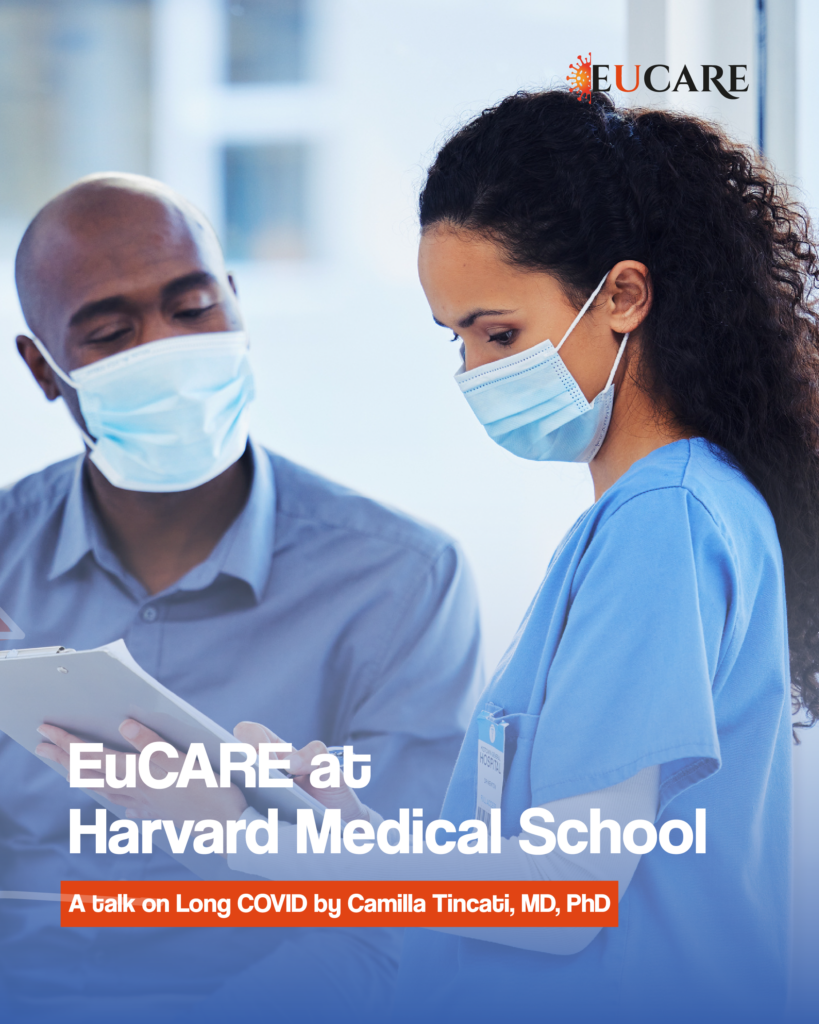
Camilla Tincati, EuCARE collaborator, presented a scientific talk on Long COVID

On May 18th, Camilla Tincati, MD, PhD, Associate Professor at the University of Milan, presented a scientific talk on Long COVID at the Massachusetts Consortium on Pathogen Readiness (MassCPR) at Harvard Medical School. The presentation, entitled “Clinical and Viro-Immunological Determinants of Long COVID: A Journey from the First Wave in Italy to the Biology of

Camilla Tincati, EuCARE collaborator, presented a scientific talk on Long COVID Read More »

Comparing key characteristics of SARS-CoV-2 and ANDV

This is the first post in our series comparing key characteristics of SARS-CoV-2 and ANDV. 🌍 Understanding how viruses spread is essential for public health preparedness. 🔬 While SARS-CoV-2 spreads efficiently from person to person, Andes virus (ANDV) follows a very different transmission pattern. ANDV is primarily transmitted from rodents to humans through exposure to contaminated

Comparing key characteristics of SARS-CoV-2 and ANDV Read More »

AREVIR 2026

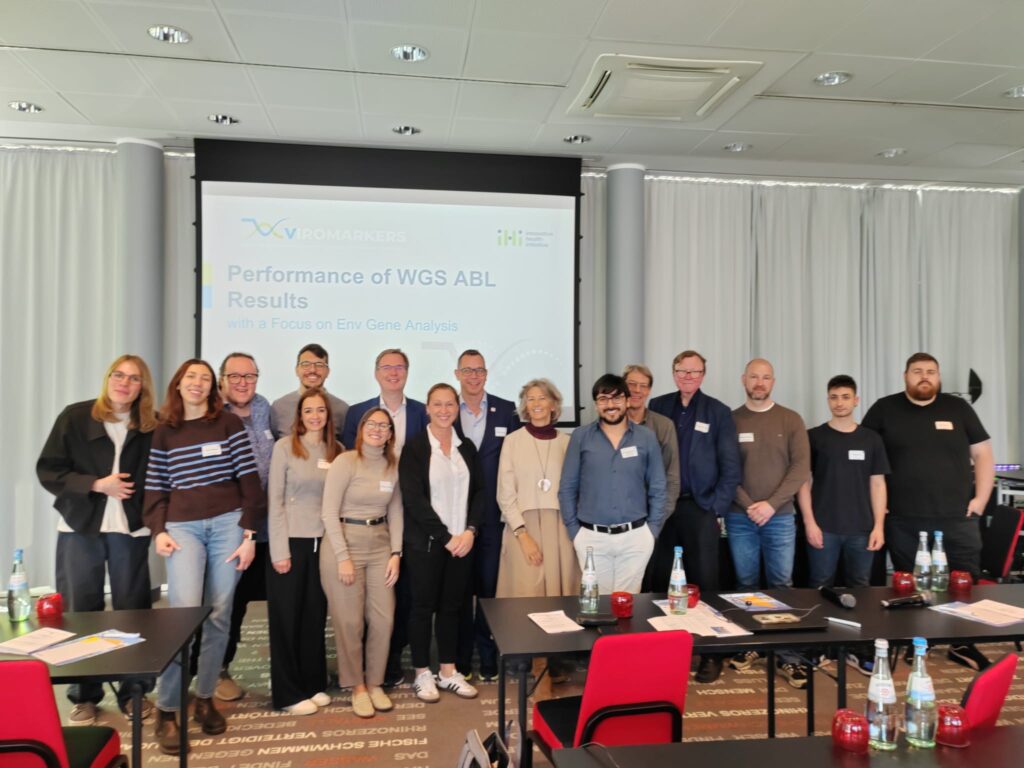
Once again the AREVIR meeting brought together an international community of researchers to share insights, challenge perspectives, and advance the understanding of viral infections . Across the day, the programme highlighted key topics shaping current research, from viral dynamics and immune responses to emerging challenges in infectious diseases and public health. The EuCARE /VIROMARKERS session

AREVIR 2026 Read More »

3 days to go!

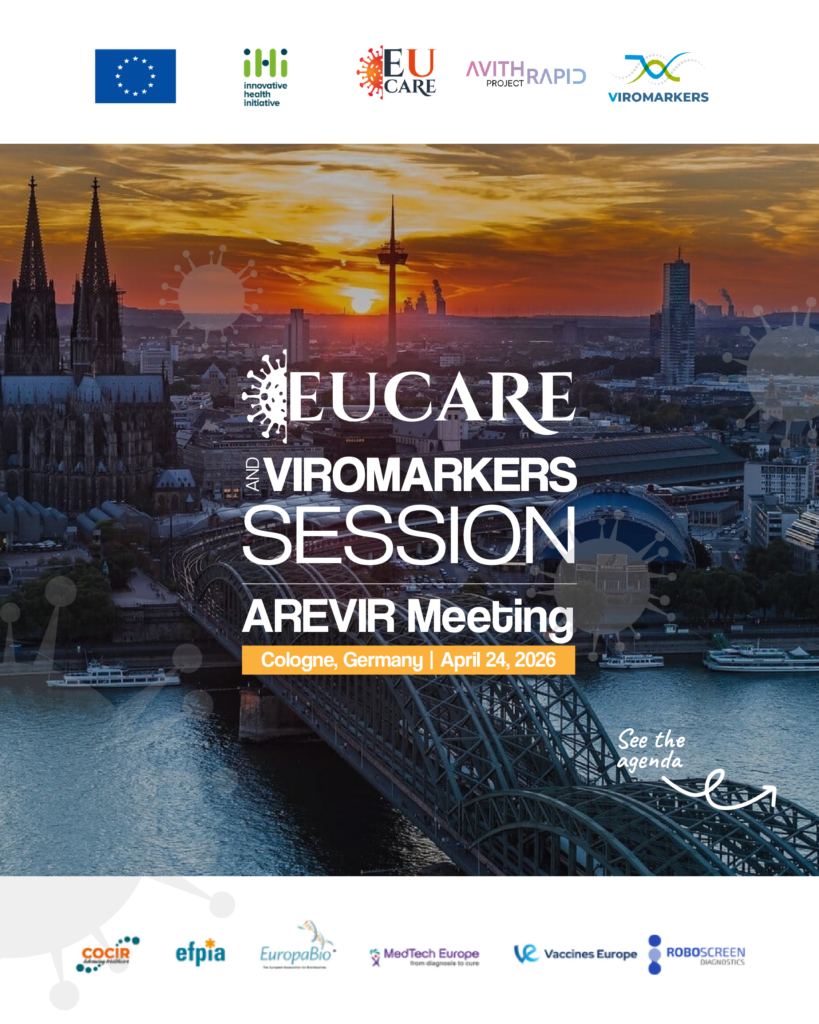
The AREVIR Meeting 2026 is almost here, and this year features a special joint session with the EuCARE and VIROMARKERS projects! Join us for presentations by leading scientists, sharing preliminary activities, current findings, and future steps to tackle evolving challenges in infectious diseases. 🗓 Date: April 24, 2026📍 Location: Cologne, Germany Check out the agenda

3 days to go! Read More »

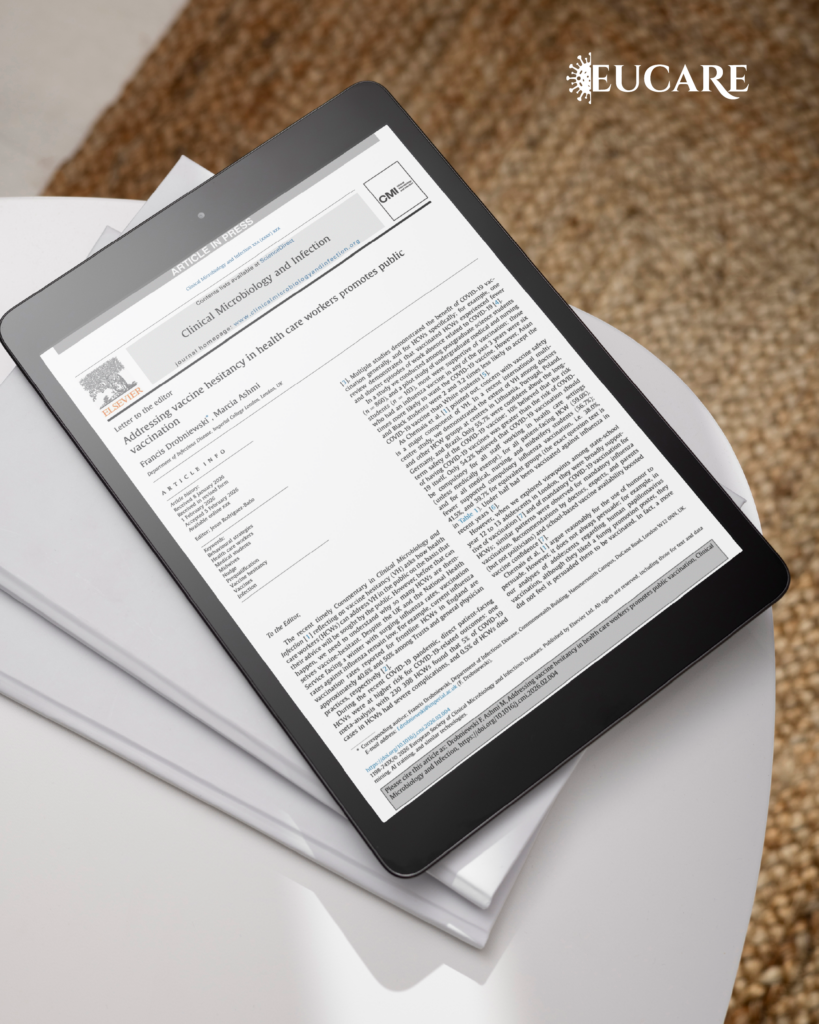
Vaccine hesitancy doesn’t start in the community. It starts earlier

A new study by Francis Drobniewski and Marcia Ashmi shows that even healthcare workers (the ones we trust most) can be hesitant about vaccination. Despite their key role in building public trust, vaccination uptake among healthcare professionals remains suboptimal. For example, recent data show influenza vaccination rates of around 40–50% among frontline HCWs in England.

Vaccine hesitancy doesn’t start in the community. It starts earlier Read More »

Two EuCARE abstracts accepted for oral presentation at EBMLive 2026

We are pleased to share that two abstracts from the IEO team, within the EuCARE project, have been selected for oral presentations at the EBMLive 2026 Conference. 🔹 Giulia DoiMeta-analysis on the prevalence of anxiety, depression and distress among cancer patients during the COVID-19 pandemic, by type of treatment and cancer.This abstract has been selected

Two EuCARE abstracts accepted for oral presentation at EBMLive 2026 Read More »